10 DIY Garden Projects for Beginners
Creating a beautiful garden doesn’t always require expensive landscaping, advanced tools, or years of gardening experience. Some of the most rewarding outdoor improvements are simple projects that beginners can complete with basic materials and a little creativity.
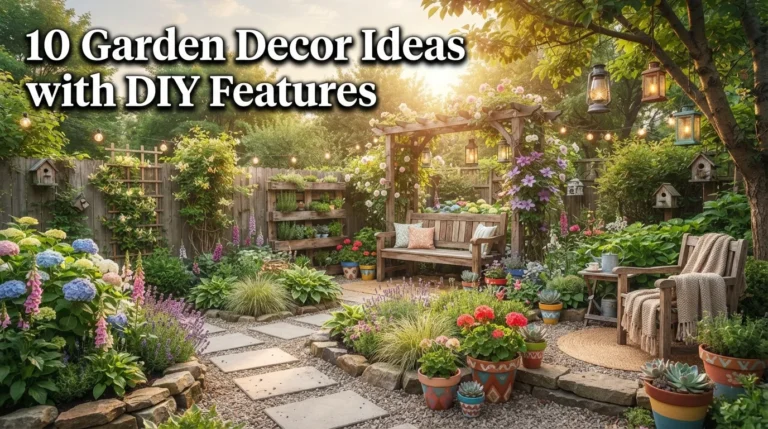
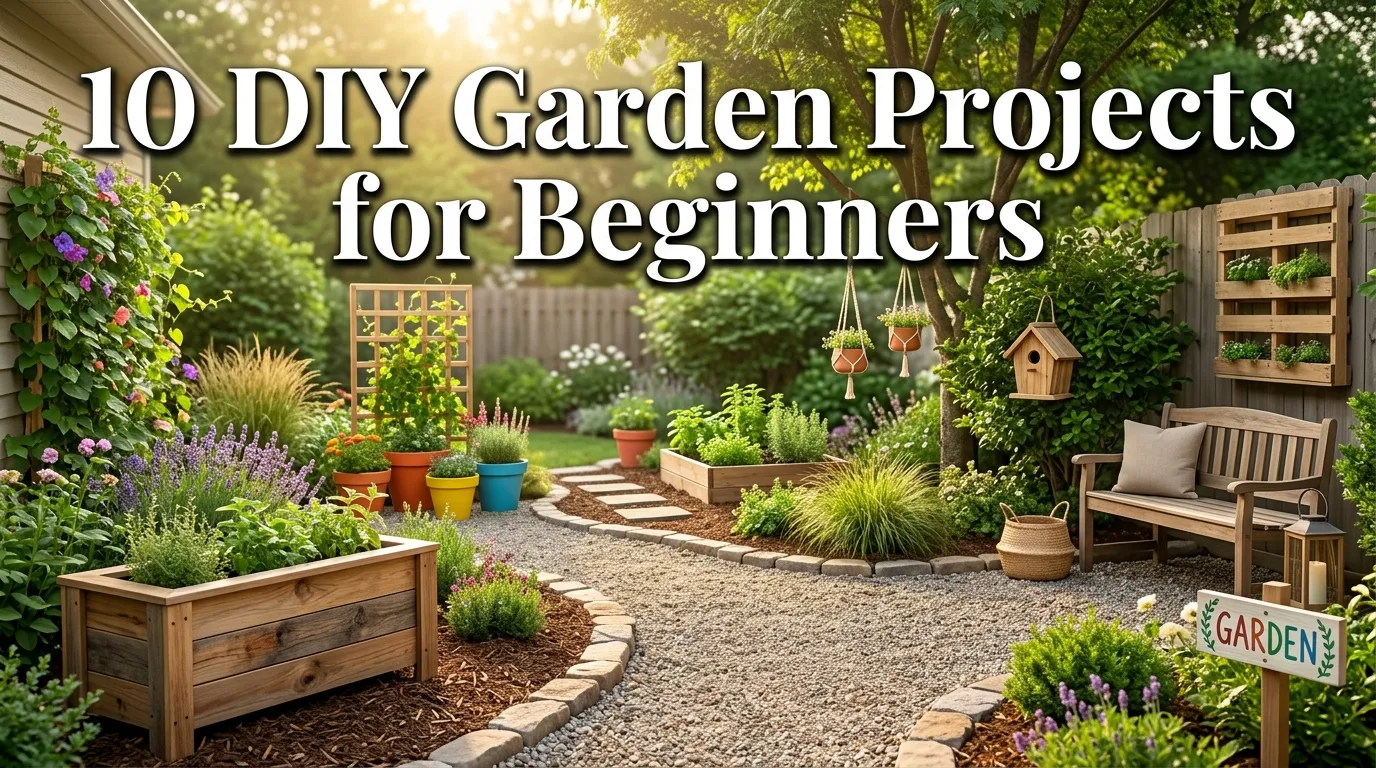
DIY garden projects can make an outdoor space feel more personal while solving practical problems at the same time. A raised garden bed can improve planting organization, a simple trellis can support climbing plants, and attractive garden edging can give flower beds a cleaner appearance.
In my experience, the best beginner projects are the ones that produce a visible result without requiring complicated construction. Starting with something manageable also gives you the confidence to take on larger improvements later.
Before beginning any outdoor project, consider your garden’s sunlight, drainage, soil conditions, climate, and available space. Choose materials that are appropriate for outdoor exposure and follow product instructions whenever using tools, finishes, or construction materials.
You don’t need to transform the entire garden at once. A few thoughtful additions can create noticeable character and make the space more enjoyable.
These beginner-friendly ideas combine practical function with attractive design, giving you simple ways to improve your garden while learning new DIY skills along the way.
Table of Contents
- Build Simple Raised Beds
- Create a Wooden Planter
- Make a Garden Trellis
- Add Decorative Garden Edging
- Create a Stepping-Stone Path
- Build a Simple Compost Area
- Make a Vertical Herb Garden
- Create a Garden Bench
- Add a DIY Plant Stand
- Make a Simple Garden Sign
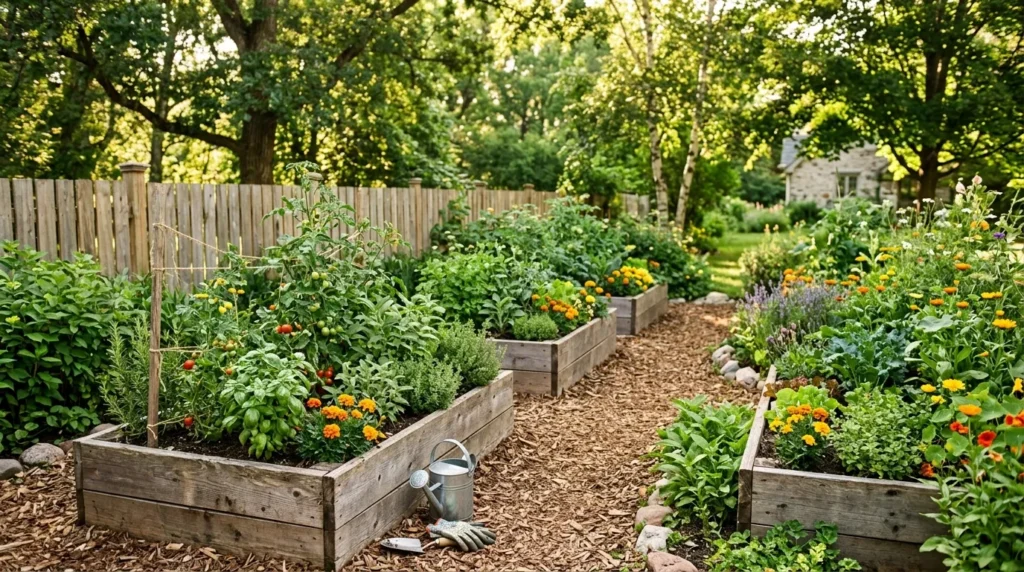
1. Build Simple Raised Beds
Quick Benefits
- Defines planting areas
- Improves garden organization
- Creates better accessibility
- Works in small spaces
- Easy to customize
Why It Works
Raised beds create clear boundaries for vegetables, herbs, flowers, or other suitable plants. They can also make a garden look more organized by separating planting areas from paths.
For beginners, a straightforward rectangular design is usually easier to measure and assemble than complicated shapes.
I’ve found that raised beds also make it easier to plan where different plants will go each season.
How To Style It
Choose an outdoor-suitable material and build the bed to a comfortable working height for your needs.
Fill it with an appropriate growing medium and organize plants according to their light and watering requirements.
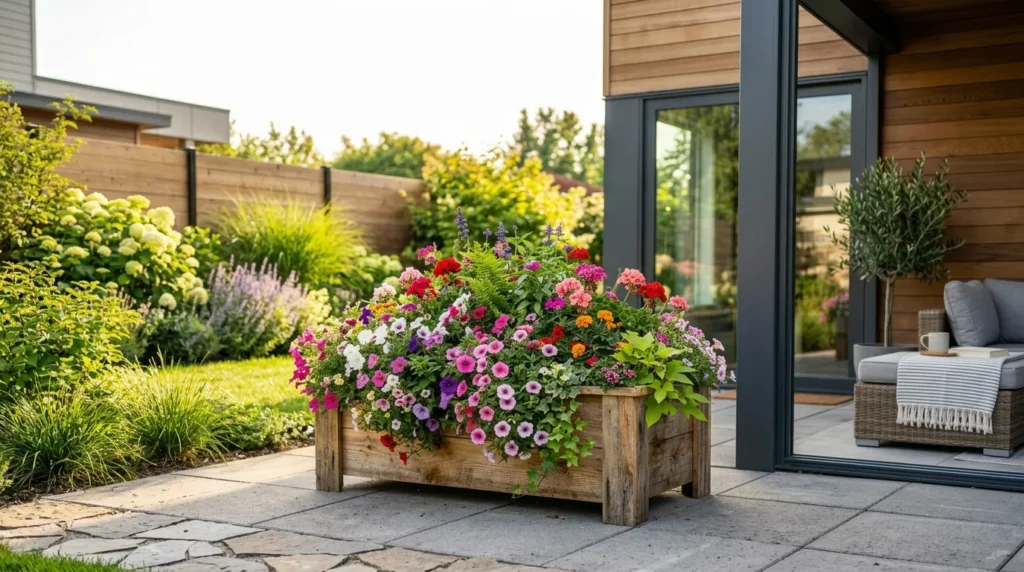
2. Create a Wooden Planter
Quick Benefits
- Adds instant charm
- Customizable size
- Works on patios
- Beginner-friendly
- Creates a focal point
Why It Works
A simple wooden planter can add warmth and structure to patios, porches, balconies, or garden corners.
The rectangular shape is easy to customize and can accommodate flowers, herbs, or suitable compact plants.
I’ve found that matching several planters can create a more cohesive garden design.
How To Style It
Use outdoor-appropriate wood and a suitable protective finish. Make sure the planter has adequate drainage.
Place it near an entrance, seating area, or garden boundary where the greenery can become part of the overall landscape.
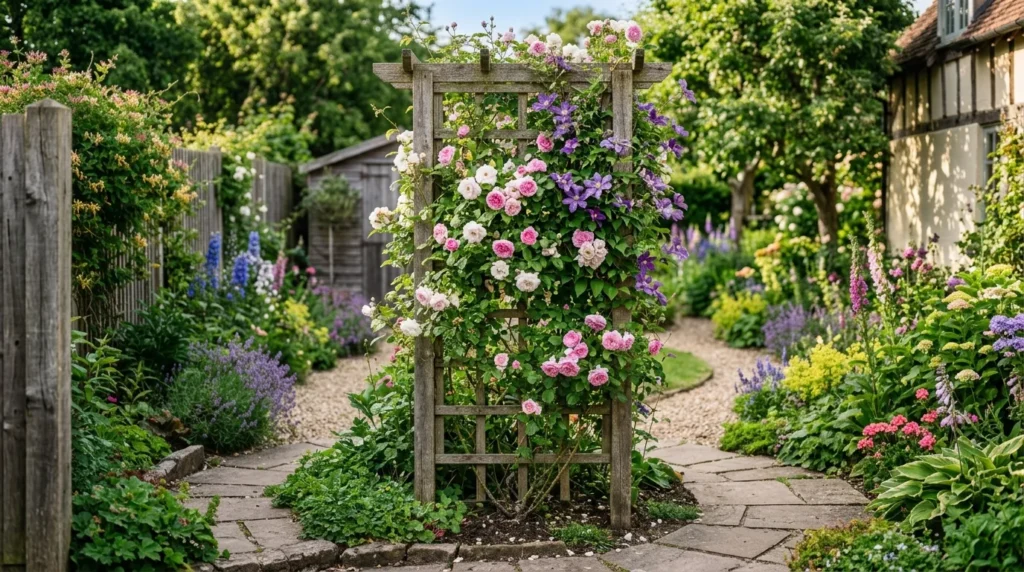
3. Make a Garden Trellis
Quick Benefits
- Supports climbing plants
- Uses vertical space
- Adds structure
- Creates a focal point
- Works in small gardens
Why It Works
A trellis gives climbing plants a place to grow vertically while adding architectural interest to the garden.
It can also help turn a plain wall or empty garden corner into a more attractive feature.
I’ve found that simple grid or ladder-style trellises can look beautiful even before the plants completely cover them.
How To Style It
Choose a structure appropriate for the mature size and weight of the plants you intend to grow.
Position it where the plants will receive suitable light and where the structure can be securely supported.
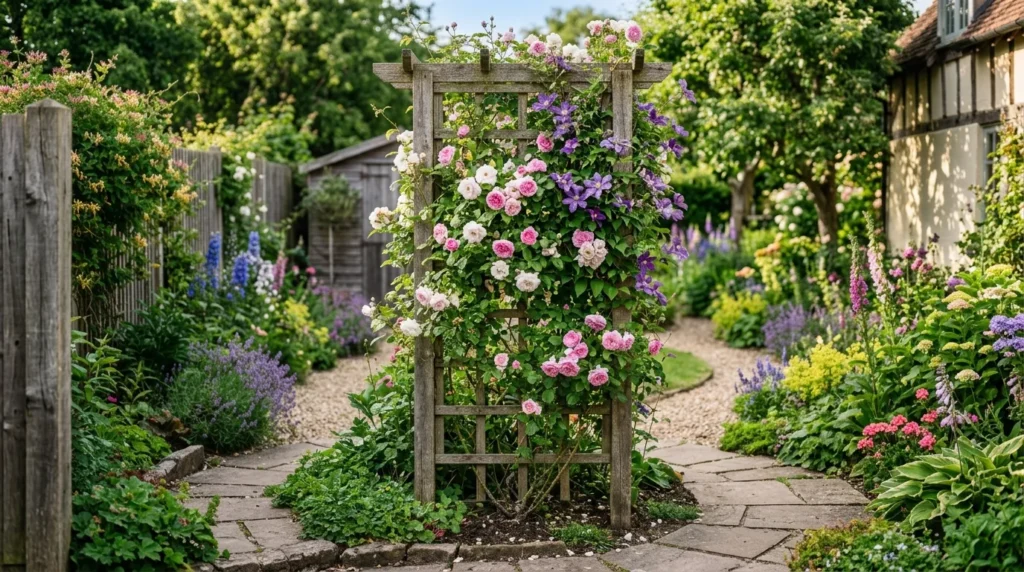
4. Add Decorative Garden Edging
Quick Benefits
- Defines flower beds
- Creates cleaner lines
- Reduces spreading mulch
- Improves visual structure
- Easy to customize
Why It Works
Garden edging creates a clear transition between lawns, planting beds, paths, and other areas.
It can make even a simple garden appear more intentionally designed by giving the landscape clean boundaries.
I’ve found that repeating one edging material throughout the garden creates a cohesive appearance.
How To Style It
Choose materials suitable for outdoor conditions, such as stone, brick, metal, or appropriate landscape edging.
Keep the lines consistent with the overall shape of the garden rather than creating too many competing curves.
5. Create a Stepping-Stone Path
Quick Benefits
- Improves garden access
- Adds visual structure
- Protects planted areas
- Creates movement
- Adds character
Why It Works
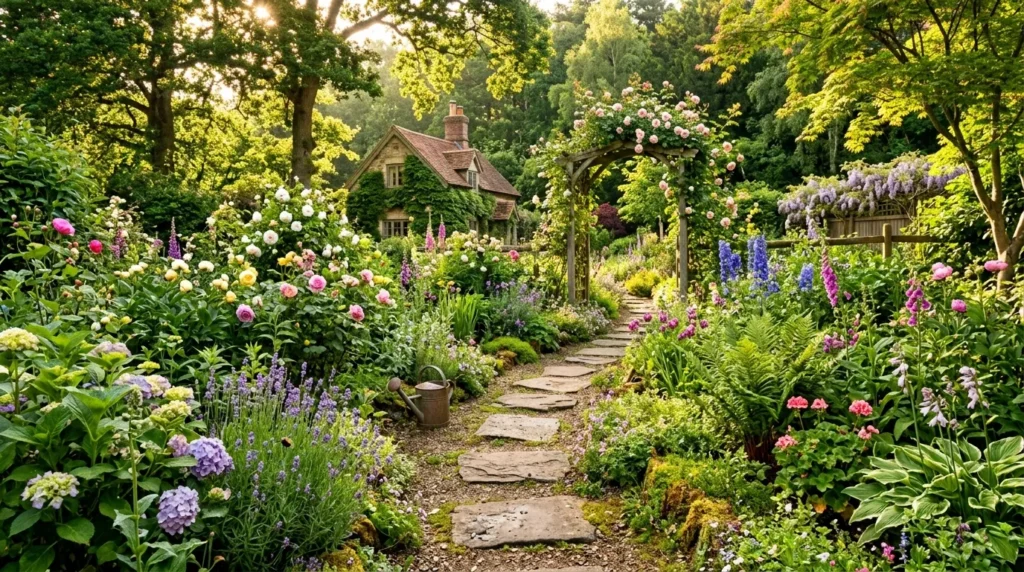
A stepping-stone path can guide people through the garden while protecting grass and planting areas from foot traffic.
The path doesn’t have to be elaborate. A simple sequence of appropriately sized stones can create a beautiful connection between different garden zones.
I’ve found that slightly informal layouts often work particularly well in relaxed garden designs.
How To Style It
Plan the route before placing the stones. Consider drainage, stability, spacing, and comfortable walking.
Choose stones that complement the surrounding landscape and avoid creating trip hazards.
6. Build a Simple Compost Area
Quick Benefits
- Reduces garden waste
- Creates useful compost
- Uses a small area
- Encourages sustainable gardening
- Easy to customize
Why It Works
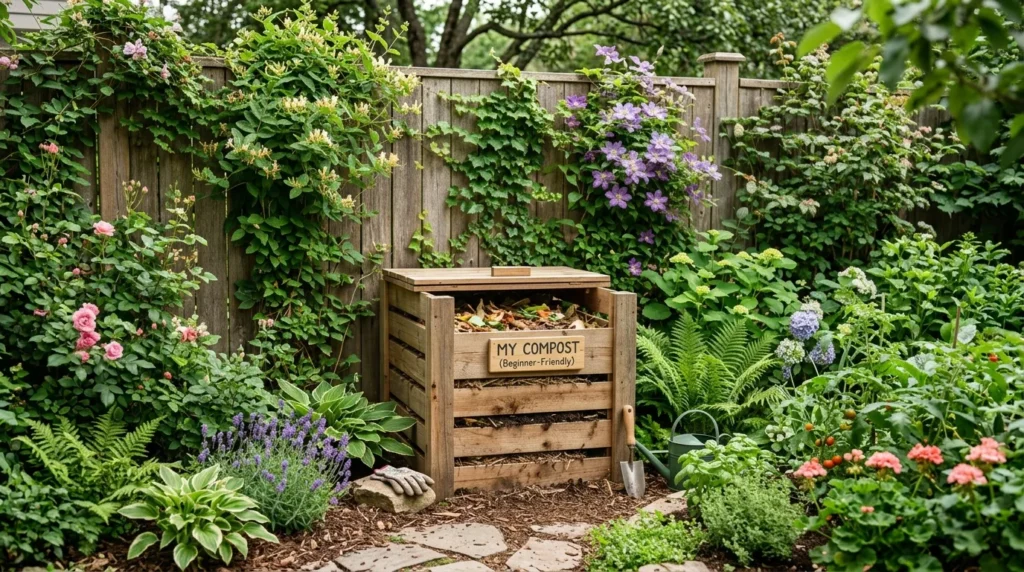
A simple compost area can turn suitable household and garden waste into valuable organic material for the garden. A basic enclosure can also keep the composting area neat instead of leaving a loose pile in an inconvenient location.
For beginners, a straightforward structure is often all that’s needed.
I’ve found that placing the compost area where it’s easy to access makes it much more likely to become part of your regular gardening routine.
How To Style It
Choose a well-drained location with appropriate airflow and convenient access.
Use suitable composting materials and maintain the pile according to the composting method you’re using. Keep the enclosure visually simple so it blends into the garden.
7. Make a Vertical Herb Garden
Quick Benefits
- Saves floor space
- Keeps herbs accessible
- Adds greenery
- Works in small gardens
- Creates visual interest
Why It Works
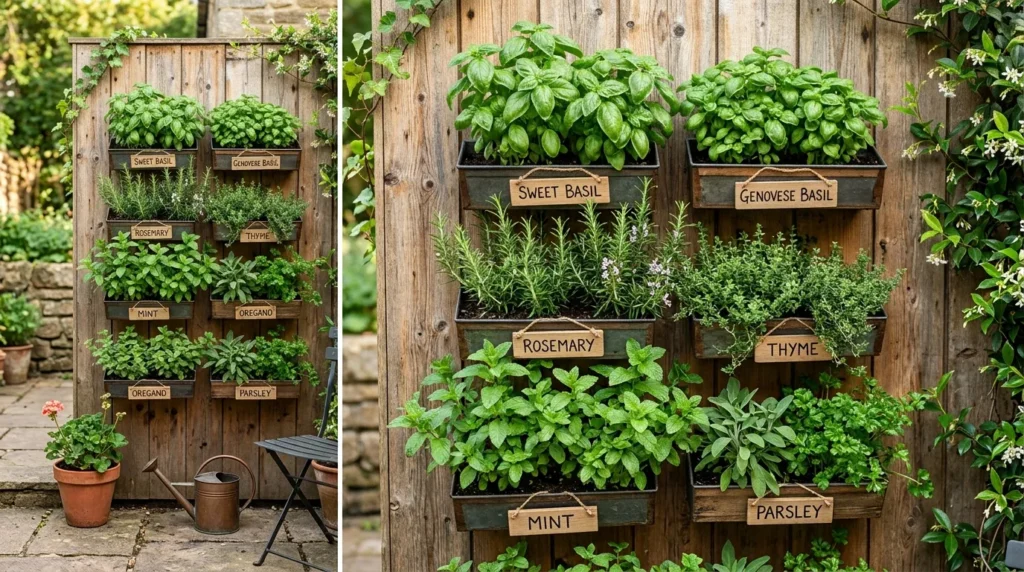
Vertical herb gardens are especially useful when ground space is limited. A wall, fence, shelving unit, or suitable vertical planter can hold several herbs while keeping them easy to reach.
The arrangement also adds height and texture to patios, balconies, and compact garden areas.
I’ve found that growing herbs vertically makes a small outdoor space feel much more productive.
How To Style It
Choose herbs according to your local growing conditions and available sunlight.
Use containers with adequate drainage and arrange the plants so each one receives the light and airflow it needs.
8. Create a Garden Bench
Quick Benefits
- Adds seating
- Creates a focal point
- Makes the garden usable
- Can be customized
- Provides a relaxing spot
Why It Works
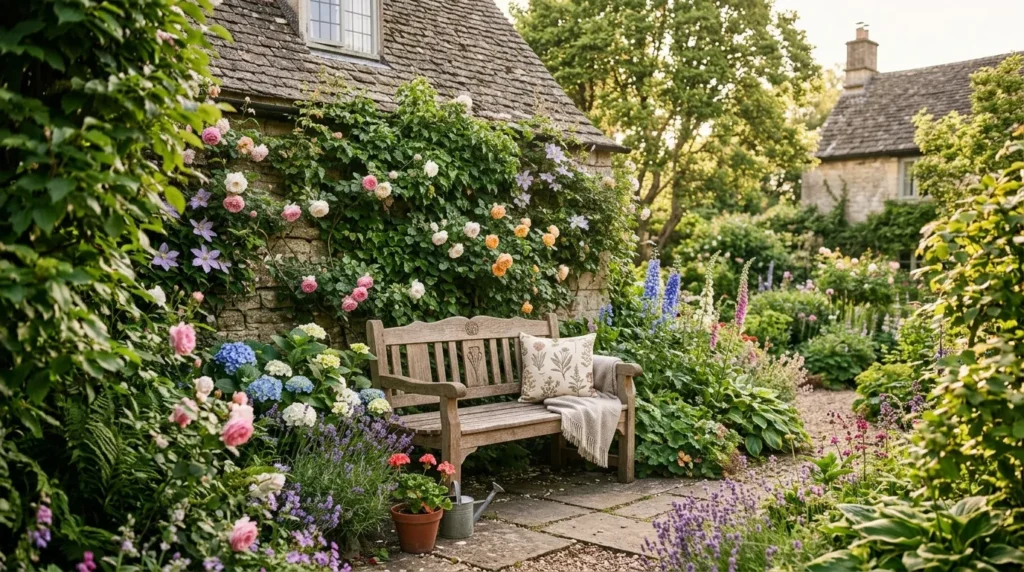
A simple garden bench can turn an otherwise unused corner into a destination. It provides a place to sit, observe plants, read, or enjoy the garden.
A basic wooden design can be approachable for beginners while still adding significant character.
I’ve found that positioning seating near flowers, trees, or a garden path makes the space feel more intentional.
How To Style It
Use outdoor-appropriate materials and make sure the bench is stable and properly supported.
Add a weather-appropriate cushion if desired, and surround the bench with plants without blocking access.
9. Add a DIY Plant Stand
Quick Benefits
- Adds height
- Displays plants beautifully
- Uses vertical space
- Creates layers
- Works indoors or outdoors
Why It Works
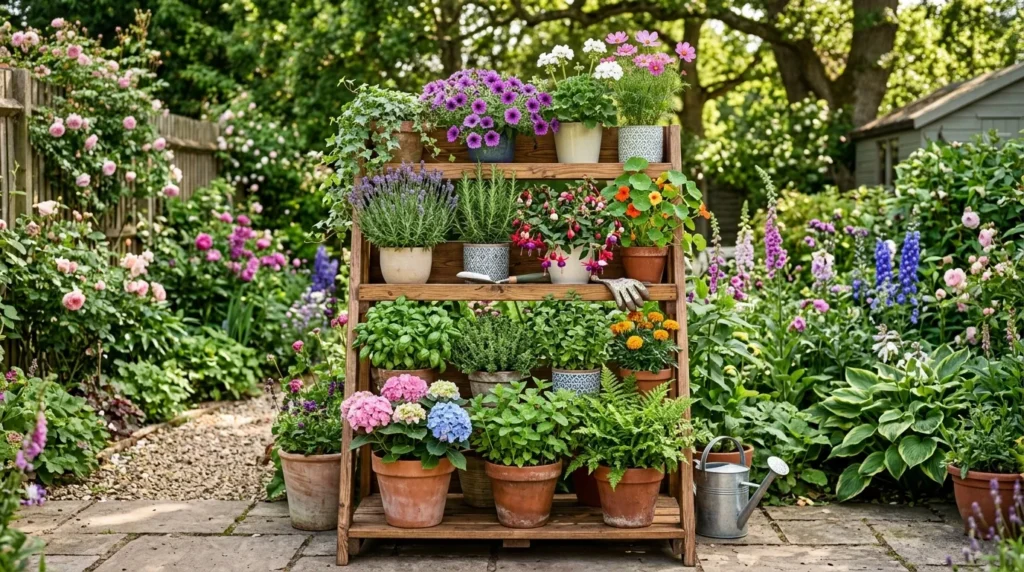
Plant stands allow you to display containers at different heights instead of placing every pot directly on the ground.
This creates visual layers and can make a garden corner feel fuller without requiring additional planting space.
I’ve found that a simple tiered stand can be particularly effective for small collections of potted plants.
How To Style It
Choose a stable design and position heavier containers on lower levels when appropriate.
Group plants with similar light and watering needs, and leave enough room between containers for healthy growth.
10. Make a Simple Garden Sign
Quick Benefits
- Adds personality
- Marks garden areas
- Creates charm
- Easy beginner project
- Requires few materials
Why It Works
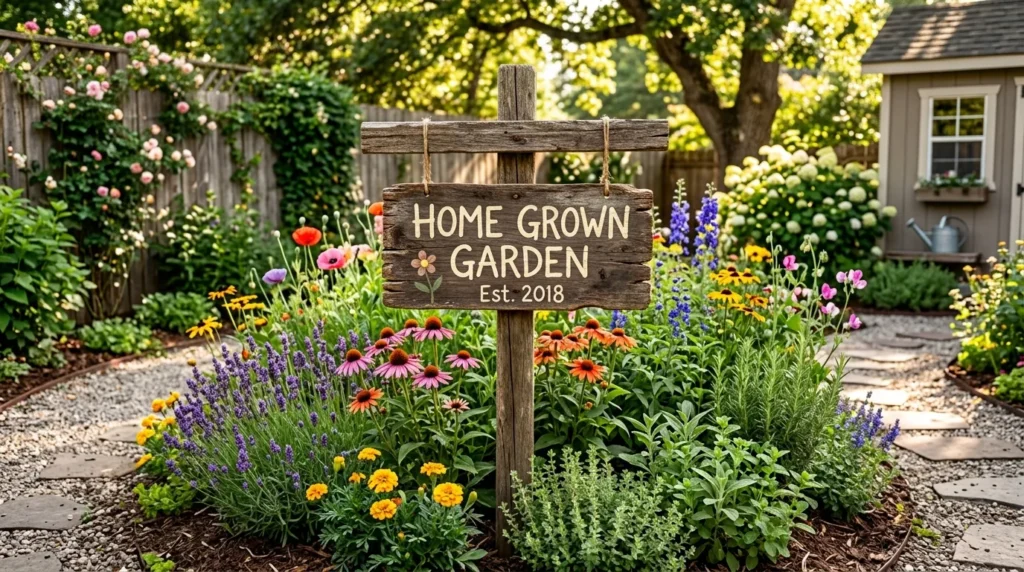
A handmade garden sign is one of the easiest ways to add personality to an outdoor space. It can identify herb beds, vegetable areas, flower sections, or simply provide a decorative message.
Because the project is small, it is also a great starting point for beginners who want to experiment with outdoor DIY projects.
I’ve found that simple typography and natural materials usually create the most timeless result.
How To Style It
Use an outdoor-suitable sign material and finish. Keep the lettering simple and easy to read.
Place the sign near the area it identifies without allowing it to compete with the plants.
Frequently Asked Questions
What is the easiest DIY garden project for beginners?
Simple planters, garden signs, plant stands, and basic edging are generally approachable starting points because they require relatively straightforward construction.
What can I DIY for my garden on a budget?
You can create planters, trellises, garden edging, stepping-stone paths, plant stands, and simple signs using affordable or repurposed materials where appropriate.
What should a beginner build first?
Start with a small project that matches your available tools and experience. A simple planter or garden sign can be a good introduction to DIY work.
How can I make my garden look better without landscaping?
Adding defined garden beds, attractive edging, vertical planting, simple paths, seating, and decorative features can create noticeable visual improvements without a complete landscape redesign.
Are raised garden beds good for beginners?
Yes. A straightforward raised bed can provide an organized planting area and can be customized to suit the available space and gardening needs.
How do I make a small garden feel more interesting?
Use vertical elements such as trellises and plant stands, create clear pathways, add layered planting heights, and include one or two focal points.
Conclusion
DIY garden projects can transform an outdoor space without requiring advanced construction skills or a large budget. The best beginner projects combine practical benefits with simple visual improvements.
Start with one manageable project, such as a planter, trellis, garden edging, or plant stand. Once you’re comfortable with the process, you can gradually add larger features such as raised beds, paths, seating, or composting areas.
Think about how each project will function within the garden rather than adding features simply for decoration. Good placement, suitable materials, and thoughtful proportions can make even simple DIY work look intentional.
Most importantly, give yourself room to learn. A garden evolves over time, and small improvements can eventually create a space that feels uniquely yours.