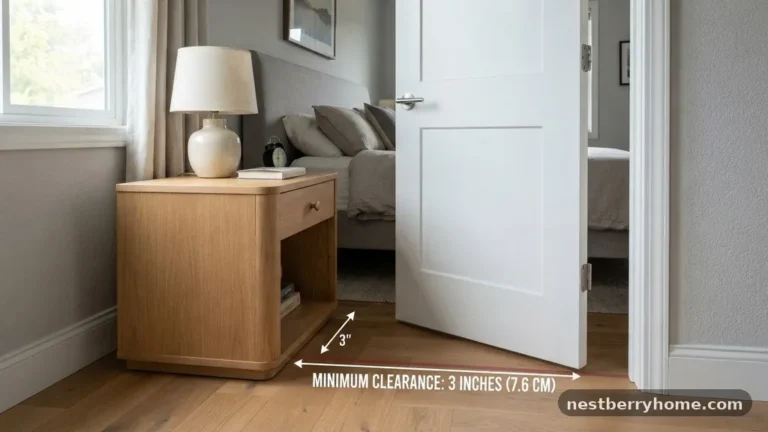

Queen Bed vs King Bed Room Size Requirements: Floor Plan Checklist
Choosing the right mattress size often comes down to balancing comfort with the physical limitations of your home. When evaluating Queen Bed vs King Bed Room Size Requirements, homeowners frequently find that the difference between these two sizes dictates not just the sleep experience, but the entire flow of the room.
A queen mattress measures 60 inches wide by 80 inches long, while a standard king stretches to 76 inches wide by 80 inches long. Understanding these dimensions is essential for anyone aiming to create a functional bedroom layout without sacrificing walkability or storage access.
For a comfortable setup, you generally need a minimum of 24 to 30 inches of clearance around the sides and foot of the bed. A queen bed typically fits well in a room that is at least 10 feet by 10 feet, whereas a king bed usually demands a space of at least 12 feet by 12 feet to feel proportional.
This article provides a detailed floor plan checklist to help you decide which size fits your lifestyle and your square footage. By following these guidelines, you can ensure your bedroom remains a relaxing retreat rather than a cramped storage area.
The Fundamental Differences in Footprint
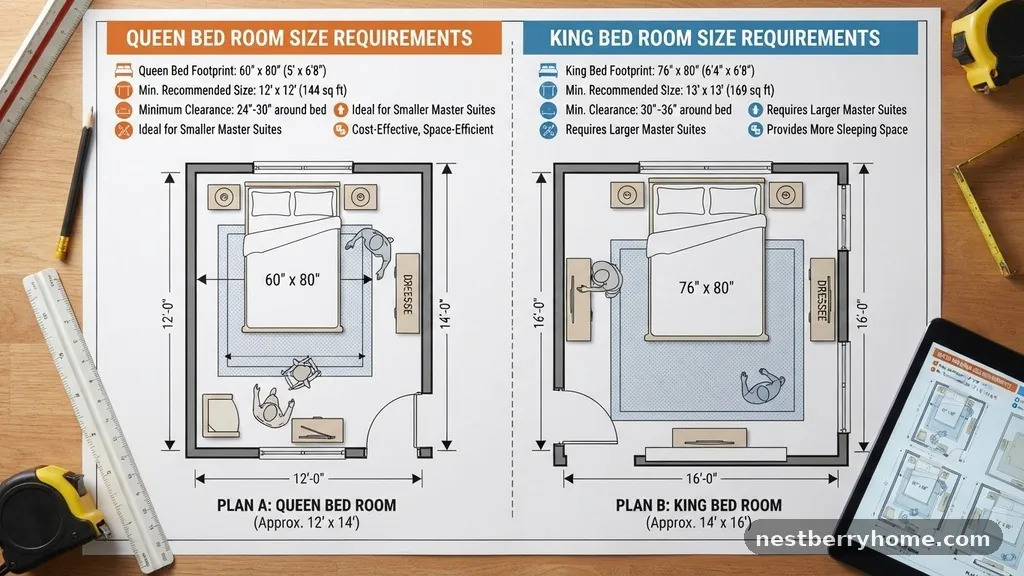
The most immediate factor in the Queen Bed vs King Bed Room Size Requirements debate is the sheer physical footprint. A queen mattress offers 4,800 square inches of surface area, which is plenty for couples who enjoy proximity.
Moving up to a standard king adds 16 inches of width, bringing the total to 6,080 square inches. This extra width is the primary reason king beds require significantly more lateral space within a room’s floor plan.
When you place a queen bed in a room, you gain 8 inches of extra floor space on either side compared to a king bed. In a smaller bedroom, those 16 total inches of gained space can be the difference between fitting a nightstand and having to leave it out entirely.
If you are working with a master bedroom that is under 120 square feet, the queen is almost always the more practical choice. It leaves enough room for a dresser or a bench at the foot of the bed without creating a bottleneck in the path of travel.
Standard Clearance Guidelines for Bedrooms
Proper circulation is the hallmark of a well-designed bedroom layout. You should aim for at least 30 inches of open floor space on both sides of the bed to allow for easy movement.
This clearance is not just about walking; it is about the ability to change bedding, clean the floors, and access bedside tables comfortably. If you choose a king bed, you must ensure your walls are spaced wide enough to accommodate this 30-inch buffer on both sides.
If your room is too narrow, a king bed will force you to push the mattress against a wall. While this is a common strategy in studios or tiny urban apartments, it ruins the symmetry of a primary bedroom.
A queen bed, by contrast, is more forgiving in tighter quarters. By measuring your room’s width before purchasing a frame, you can determine if you have the necessary 9 to 10 feet of width to host a king comfortably.
Evaluating Small Bedroom Constraints
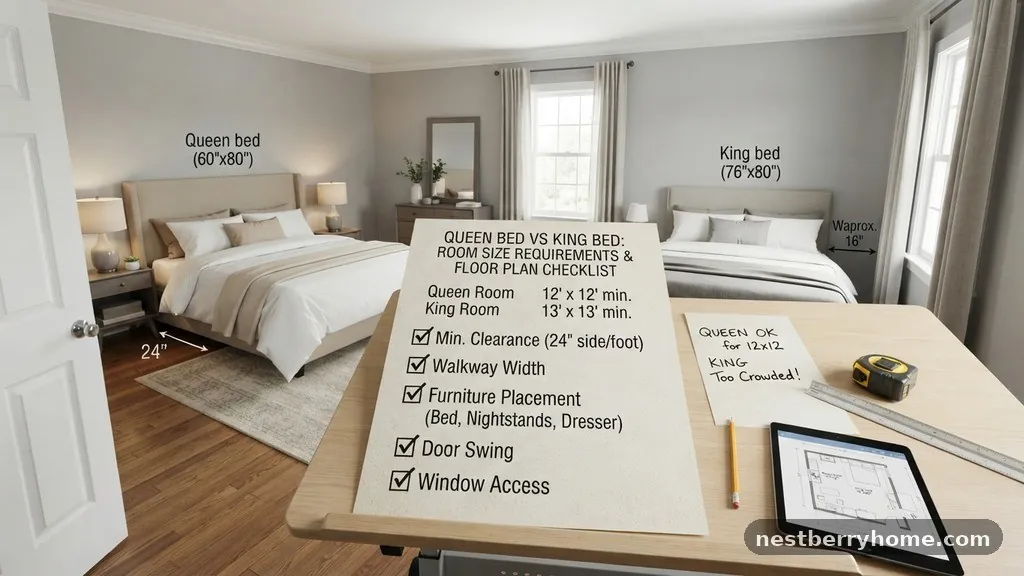
Small bedrooms present a unique challenge when trying to balance furniture needs with bed size. If you place a king bed in a room that is only 10 feet wide, you are left with very little space for anything else.
You might find that your closet doors are blocked, or that you cannot open a dresser drawer fully. These practical issues often make the queen bed the superior choice for rooms with limited square footage.
When planning your floor plan, always account for the swing of doors and the depth of your furniture. A dresser typically requires at least 18 to 24 inches of depth, plus space to stand in front of it. If your bed is too wide, it will inevitably crowd the dresser area.
For a more detailed look at standard architectural spacing, you can review the bedroom furniture arrangement advice provided by industry design experts. This helps ensure your layout remains functional for daily use.
The Impact of Bed Frames and Headboards
It is a common mistake to measure only the mattress rather than the entire bed frame. Many decorative headboards and platform frames add several inches to the total length and width of the bed.
A king bed frame can easily reach 82 inches in length once you account for the thickness of the headboard and footboard. This extra depth can quickly consume the limited floor space in a secondary bedroom.
Always add at least 3 to 5 inches to the mattress dimensions when calculating your floor plan requirements. If you have a tight room, consider a low-profile frame or a simple metal base to save space.
Avoid massive, ornate headboards that stick out into the room, as they can make a space feel significantly smaller than it actually is. By keeping the profile slim, you can sometimes squeeze a king into a room that would otherwise only accommodate a queen.
Comparing Common Room Dimensions

Different room shapes require different approaches to bed placement. A long, narrow room might be perfect for a king bed if you place it against the long wall, but it might make the space feel like a hallway.
Conversely, a square room is usually the most versatile for both queen and king beds. The following table highlights the recommended minimum room sizes for these two bed types.
| Bed Size | Minimum Room Size | Recommended Room Size |
|---|---|---|
| Queen Bed | 10 ft x 10 ft | 12 ft x 12 ft |
| King Bed | 12 ft x 12 ft | 14 ft x 14 ft+ |
These figures represent a comfortable balance between floor space and bed size. While you can technically fit a queen bed in a smaller room, you will likely sacrifice storage space or walking paths.
Using the recommended sizes ensures that you have enough room for nightstands, a chair, and clear access to your closets. Always prioritize the ability to walk comfortably around the bed over the desire for a larger mattress.
Furniture Placement Strategy
Once you have determined which size bed fits, the next step is planning the surrounding furniture. Nightstands are essential for most people, and they require their own specific footprint.
A standard nightstand is about 20 to 24 inches wide. If you have a king bed, you need to ensure your walls are wide enough to accommodate the bed plus two nightstands without crowding the room corners.
If you find that your room is too small for standard nightstands, consider wall-mounted shelves or floating units. These save floor space and make the room appear larger while still providing a surface for lamps and charging devices.
Keep in mind that a dresser or chest of drawers should ideally be placed on the wall opposite the foot of the bed. This creates a balanced visual weight that makes the room feel more intentional and organized.
The Role of Traffic Flow
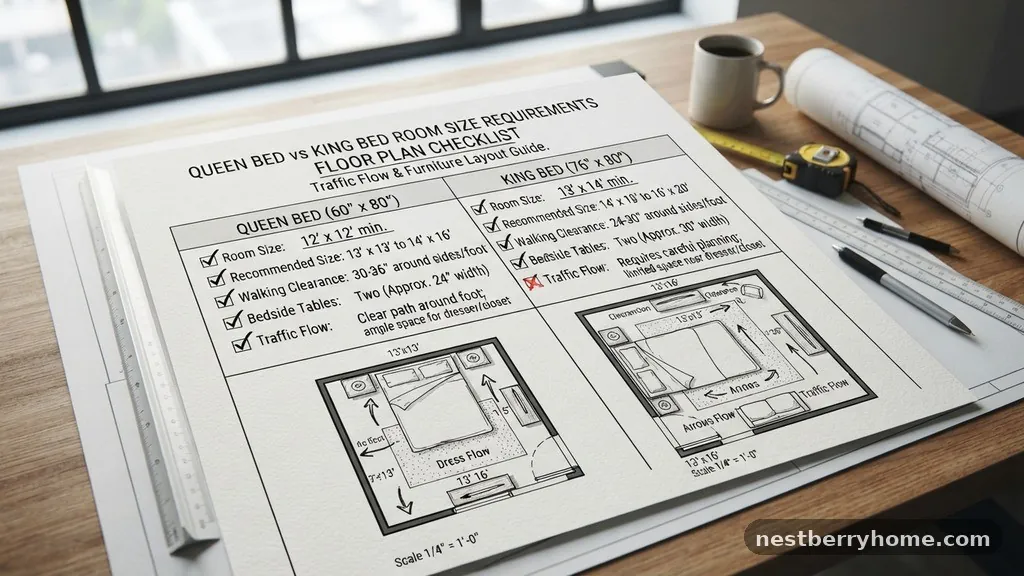
Traffic flow is often overlooked in the Queen Bed vs King Bed Room Size Requirements process. You should be able to walk from the bedroom door to the closet or bathroom without weaving around the bed.
If your bed is too large, it creates a physical barrier that disrupts the natural path through the room. This is especially true in rooms with multiple doors, such as a primary suite that includes an en-suite bathroom.
Try to keep at least 36 inches of clear path for primary traffic lanes within the bedroom. If your floor plan shows that a king bed forces you to walk within 20 inches of the wall, you are likely going to feel cramped.
A queen bed usually provides a much more open feel in these types of layouts. Always test your planned layout with masking tape on the floor to visualize how it will feel before moving heavy furniture.
Storage Considerations and Closet Access
Closet access is a critical component of any bedroom floor plan. If your bed is positioned too close to the closet doors, you will struggle to access your clothing or accessories.
A king bed, being wider, is more likely to interfere with closet doors that swing outward. If you have a reach-in closet with sliding doors, ensure the bed is not so wide that it blocks one side of the closet opening.
If you are short on space, consider how your bed size affects your ability to use under-bed storage. While a king bed offers more total surface area for a frame, a queen bed might allow for more maneuverable space around the perimeter to pull out storage drawers.
Think about your storage needs before deciding on the bed size. If you have a massive walk-in closet, the size of the bed matters less for storage, but if you rely on dressers and under-bed bins, every inch counts.
Visual Weight and Room Proportion
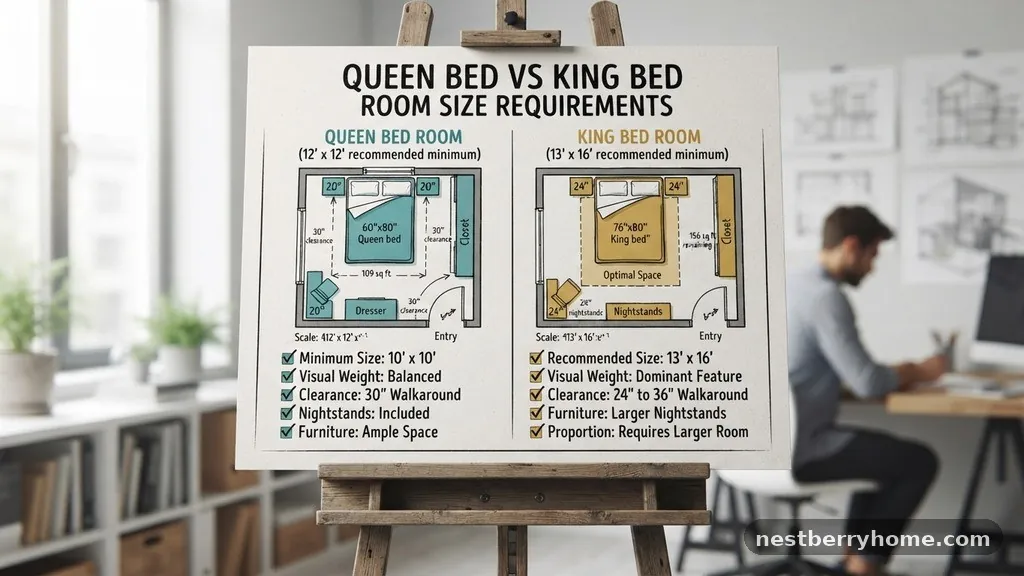
A bed is the largest piece of furniture in the bedroom, and it sets the tone for the entire aesthetic. A king bed in a small room can feel heavy and overwhelming, drawing all the attention and making the rest of the furniture look tiny.
This is known as visual weight. A room should feel balanced, where the size of the bed is proportionate to the ceiling height and overall wall length.
If you have high ceilings, a king bed can often work well even in a medium-sized room because the vertical space helps offset the floor footprint. If you have low ceilings or a small, confined room, a queen bed will maintain a sense of airiness.
Use light-colored bedding and minimalist frames to further reduce the visual weight of a larger bed. The goal is to create a space that feels calm and breathable, not like a room struggling to contain a giant object.
Factors Influencing Your Final Decision
Choosing between these two sizes involves several personal and practical considerations that go beyond simple measurements. Here is a quick list of factors to weigh before making your final selection:
- Number of sleepers: Do you share the bed with a partner, pets, or children?
- Room dimensions: Have you physically measured the width and length of your space?
- Future moves: Will this bed fit into your next home, or are you planning to move soon?
- Furniture budget: Are you prepared to buy larger linens, a bigger frame, and potentially new nightstands?
- Movement habits: Do you or your partner move around significantly during the night?
These questions help clarify whether the extra 16 inches of width provided by a king is worth the loss of floor space. For many, the queen is the “sweet spot” that provides enough room for two adults while keeping the bedroom feeling functional. For others, the sprawling comfort of a king is non-negotiable, and they are willing to sacrifice floor space to achieve it.
Frequently Asked Questions
Is a 10×10 room big enough for a king bed?
A 10×10 room is generally not recommended for a king bed. While it might physically fit, it would leave very little room for nightstands, dresser access, or comfortable circulation. You would likely feel crowded and struggle to move around the perimeter of the bed.
How much space is needed for a queen bed?
For a queen bed, you should aim for at least a 10×10 room. This size allows for the mattress plus basic clearance on the sides. Ideally, a 12×12 room is better, as it provides enough space for nightstands and additional bedroom furniture like a dresser.
Can a 9×9 room fit a queen bed?
Technically, a queen bed can fit in a 9×9 room, but it will be an extremely tight fit. You would have almost zero clearance on the sides, likely forcing the bed against one or two walls. This is generally not advised unless the room is used exclusively for sleeping and has no other furniture.
Is a 12×12 room big enough for a king bed?
Yes, a 12×12 room is a very standard and comfortable size for a king bed. It provides enough room for the mattress while allowing for nightstands on either side and a reasonable amount of circulation. It strikes a good balance between comfort and room utility.
Why is bed size important for floor plans?
Bed size determines the entire flow and utility of your bedroom. If the bed is too large, it can block closet doors, restrict walking paths, and leave no room for essential furniture. Proper planning ensures your bedroom remains a usable, comfortable space rather than just a place to sleep.
Conclusion
Selecting the right mattress size is a foundational step in designing a bedroom that serves your needs. By carefully considering the Queen Bed vs King Bed Room Size Requirements, you avoid the common pitfalls of cramped layouts and inaccessible storage.
Remember that comfort is not just about the size of the mattress, but also about the space you have to move around it. A room that feels open and organized will always contribute more to your rest than an oversized bed in a cluttered space.
Take the time to measure your room, account for furniture depths, and visualize your daily path through the space. If you are struggling with a smaller room, a queen is a versatile and reliable choice that rarely disappoints.
If your space allows, a king can provide unparalleled luxury, provided you keep the surrounding area balanced. Use these guidelines to create a floor plan that makes your bedroom a true sanctuary.